Book Review of Fortress Besieged
Those inside the city want to get out, while those outside want to get in.
Life exists both inside and outside the “Fortress”; whether we experience sorrow or joy is determined by our own mindset.
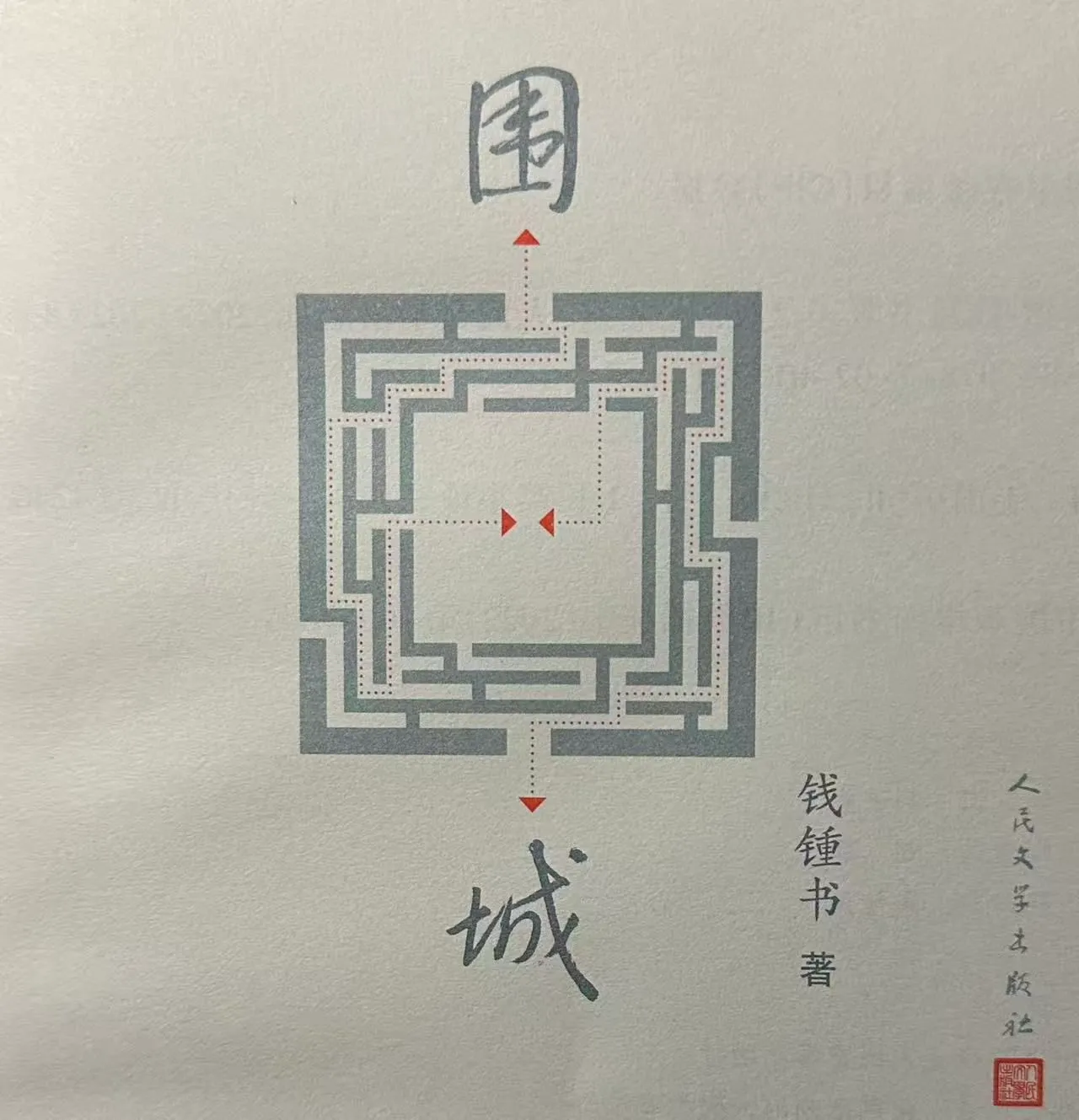
Qian Zhongshu chose Fortress Besieged as the title of his novel to chronicle the life journey of the protagonist, Fang Hongjian—from his return to China after graduation, through the entanglements of romance and heartbreak, to the ups and downs of job hunting and teaching, and finally into marriage, which ultimately ended in failure. Fang Hongjian’s various experiences constantly revolve around his oscillation between the “inside” and “outside” of the “Fortress,” and the core purpose of all these experiences is to illustrate the metaphor that “marriage is like a fortress”: “Those outside the fortress yearn to rush in, while those inside long to escape.”
Fang Hongjian endured many twists and turns in his love life and faced setbacks at work, including a demotion, before eventually marrying Sun Roujia. However, after marriage, both discovered shortcomings in each other that had not been apparent before the wedding. Compounded by the turmoil of daily trivialities, professional setbacks, and financial struggles, their marriage gradually fell into crisis, and they ultimately parted ways. This plotline profoundly illustrates the idea that marriage is like being trapped within a “fortress.” Even today, similar patterns can be observed in many families—a reality that is both relatable and by no means novel. Taking a step back to consider the matter: even if Fang Hongjian had not married Sun Roujia but had instead married his true love, Tang Xiaofu, as he had hoped, would this “fortress” have remained unshakable? Clearly, the answer is no. Even if one walks down the aisle with the love of one’s life, one cannot help but feel that “even marrying the person I love is not all it’s cracked up to be—after marriage, one always discovers that the person one married isn’t truly a good match.” Every adult seeks what they believe to be a fulfilling love; once they find it, they resolutely enter into marriage. Yet very few people actually manage to find their ideal marriage, maintain a strong relationship, and allow their love to flourish through marriage.
“Those outside the castle want to rush in, while those inside want to escape—this holds true for marriage and careers alike; most of life’s aspirations are much the same.” As Yang Jiang once said, the metaphor of “The Fortress” is not limited to marriage; many areas of life—including personal existence, daily living, and careers—are filled with similar “fortress” dilemmas. As students today, we must cope with academic pressures; once we enter the workforce as adults, we must face the challenges of the professional world; and in the future, as we enter married life, we’ll have to nurture love and maintain our marriage. It seems we are constantly repeating similar experiences in a cyclical pattern, but the difference lies in our mindset: it determines whether this cycle leads to a vicious cycle of self-destruction or a path of positive growth. Those who understand that contentment brings happiness can find peace in their current lives; those who are proactive and ambitious will strive to improve themselves; but if one simply despises one’s own circumstances and becomes obsessed with unrealistic fantasies, one will only find oneself deeply trapped in the “Fortress” with no way out.